19
08
2026
By Eve Painter
Most developers aren't using AI to prep for interviews. Here's what they're missing.
Back to BlogsWe've given the same four pieces of advice to about seven people this week. All of them are smart, most of them are senior in fact. Every single one responded with some version of "oh, that's actually really useful."
Which is mad, given these engineers use this technology every day.
1. Put the company's website into AI and ask it to do the research for you
You were going to google the company anyway. Now paste their website into ChatGPT or Claude instead and say: "I'm an engineer with an interview coming up at this company for a [your role] position, pull out the key things I should know and give me an overview of the business." Two minutes, done.
2. Put the job spec into the same chat and ask: "what do you think the interview questions will be?"
Now you have your info on the company, and at this point you should have a job description (if you don't have one yet, ask for one). Put it into your AI and ask it to generate the questions it thinks you'll get asked. This feels obvious and like more people should know about it, but they don't. This is probably the most useful thing you can do before any interview and most people aren't doing it.
3. Answer those questions out loud, then ask AI to score you
Set some time aside, sit down, and actually answer those questions with no AI assistance. Use what you now know about the company plus your own experience. Answer in writing or out loud, then send your answers back to AI and ask it to score them using the STAR method. Take the feedback seriously without treating it as gospel. It's not perfect, but it's the most useful prep you're going to get.
4. After every interview, write down every question you were asked
Once you've completed the interview, write it down. Have a pen and paper or a clear Word doc waiting so you can get down as many of their questions as possible. Then put them into your AI to compare what you thought you'd be asked against what you actually were asked.
Build a bank of questions if you have multiple interviews happening, so your AI gets to know what will be asked and ultimately gives you an advantage going in. Use this to be ready, not to script yourself as a rehearsed answer is easy to spot.
You can't control how many people apply for the same role or how long the process takes, but you can control how prepared you are.
24
09
2026
How to Hire Embedded Engineers in the UK
Quick answer: Hiring embedded engineers in the UK in 2026 means competing for a small pool of specialists in a market where demand is outpacing supply. You have two routes. A permanent hire runs roughly £40,000 to £70,000 for mid to senior level, ris
02
09
2026
The word hiring managers keep using without saying it
We talk to hiring managers every day, and the same handful of words keeps coming up: speed, urgency, progression, velocity, someone who gets on with it. Different words but same thing. What they're all searching for is high agency, someone who doesn'
17
07
2026
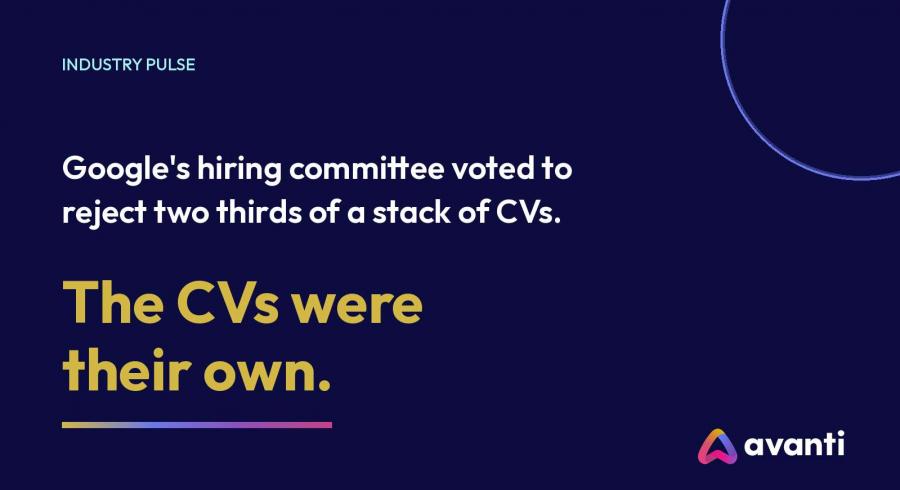
Technical interviews don't work. They never did.
Google measured whether their interview scores predicted job performance. They found almost no correlation & they never published the results. That story comes from Steve Yegge, who's spent 35 years inside the hiring processes at Amazon and Google